Cold improvements how ground acts. Wetness ices up and grows, unfrozen coatings drain in a different way, as well as devices endures if you address January like June. I have actually set up helical piles, resistance heaps, as well as micropiles throughout winters months coming from the Midwest to New England, and also the projects that went smoothly possessed one thing in common: the team respected the season. Appropriate preparing and a few hard-earned strategies maintain performance steady and also examination data reliable. They also shield budget plans, routines, as well as reputations.
This overview pays attention to commercial helical pile installation in freezing conditions, along with functional crossover for micropile installation, commercial resistance pile installation, and also commercial helical tieback anchor installation. You are going to discover particulars that matter on true web sites: twist in icy shells, cement temps, torque-to-capacity in stratified wintertime dirts, predrilling selections, as well as QA/QC corrections. The very same reasoning administers whether you are actually performing a ground-up commercial foundation stabilization, a structural foundation repair on an existing property, or even a deep foundation repair under a delicate slab.
What winter months performs to soils and also data
The initially snare is actually assuming the geotechnical plan you count on in September still applies in January. The ground profile page has actually not changed, yet the condition of the profile possesses. Freeze has an effect on the leading layer, at times just a couple of ins, sometimes 2 to 4 feet in a challenging winter. That frozen crusting can easily hide the true ailments listed below. You might observe higher installation torque at the start, at that point a quick reduce when you pass through in to thawed or even somewhat frozen soil. If you are making use of twist correlation for capability on helical piles, that mismatch can easily bring about insolence just before embedment, or false alarms after.
I like to separate the heap into zones in my area details in the course of winter. Zone one is actually the frost-affected layer, where twist surges unfairly and also development reduces as drivers aggression surface area protection. Zone pair of is actually the transitional location, usually moist and also weaker since meltwater has actually settled above the permafrost lense. Region 3 is actually the design-bearing coating. I establish requirements with the GC and also inspector that the torque file will show an artificial top on top and also a trough just before the true boost toward style intensity. That straightforward discussion conserves a lot of director scratching.
Frozen filler behaves differently than icy native dirt. Well-maintained sands and gravels stiffen and also bite in the cold, causing greater installment twist and also even more resonance. Silty fills may appear powerful while icy, then soften unexpectedly the moment any kind of more advanced thaw begins. When I examine winter season records, I seek consistent torque patterns at intensity rather than the outright worths near the surface area. I additionally depend extra on lots testing when there is actually any type of doubt.
Planning the job when temps drop
Planning begins with temperature level bands. I crack winter months right into three variations for structure work.
- Light freeze, 25 to 32 F. Assume a crust in the early morning that relaxes through mid-day. Manufacturing may rush near regular along with reasonable heating system and also de-icing. Deep freeze, 10 to 25 F. Freeze passes through swiftly, pipes stabilize, and also gas systems need focus. Look at predrilling through the frost and increasing the piling sequence. Severe cold weather, below 10 F. Everything slows. Diesel gels, staffs acquire fatigued, and quality assurance comes to be harder. If you must work, streamline the regular extent and incorporate redundancy to heating units and also de-icing supplies.
That tiered method assists make a decision whether to propel additional tools. A small rotary hammer for aviator gaps with the frosted crust acquires opportunity every early morning and protects helix trips from unneeded chafe. A skid-mounted hydrovac or even steam lance may cut slim slots to the unfrozen coating around heap aspects as well as tieback sites. Both procedures localize disorder, which is vital near adjoining structures or utilities.
For commercial helical pile installation under a brand new structure pad, I try to maintain the series precarious. Bit snow, define, predrill or vapor to below frost, and install turn in that opening while it is actually workable. If you subject soils and leave all of them overnight, the cold will certainly latch them up once more. On existing constructs where our experts are carrying out commercial foundation stabilization or even structural foundation repair, I maintain excavations as little as practical as well as backfill as our team go. Exposed ground edges perform certainly not such as freeze-thaw cycles.
Equipment start-ups that make it through winter
Hydraulic gears will certainly always keep running if you little one the liquids. Cold weather thickens gas oil as well as minimizes motor effectiveness, which may distort torque readings. Warm and comfortable the power pack to producer recommendations prior to you begin loading. On subzero mornings, I maintain abandoned pressure up for 10 to 15 mins as well as pattern the unit. That makes twist even more steady around the initial few stacks. Calibrate torque tracking bodies at least as soon as every winter project, and also spot-check with a recognized reference if readings look suspiciously higher throughout the first frosted bite.
Helix air travel hones unsharpened a lot faster when cutting frozen lumpy product. Bring extra flights and also think about hardfacing if you expect long extents in icy sands. For resistance pile as well as micro pile work, littles as well as cases take a beating coming from ice-rich coatings with additions. Always keep a stock of sacrificial shoes and plan for slower seepage rates in the best couple of feet.
We gear windbreaks around grout pumps for micropiles and helical tiebacks. Grout is fussy. If it coldness, viscosity surges and also bleeding boosts. Protected quilts over cement totes, in-line heating systems for water, and a tiny hot enclosure for the pump keep mix temps within spec. If standards require cement in between fifty as well as 80 F, confirm and also videotape it two times per batch in wintertime. For tieback anchors, cooled cement can easily additionally postpone collection, which has an effect on evidence testing schedules.
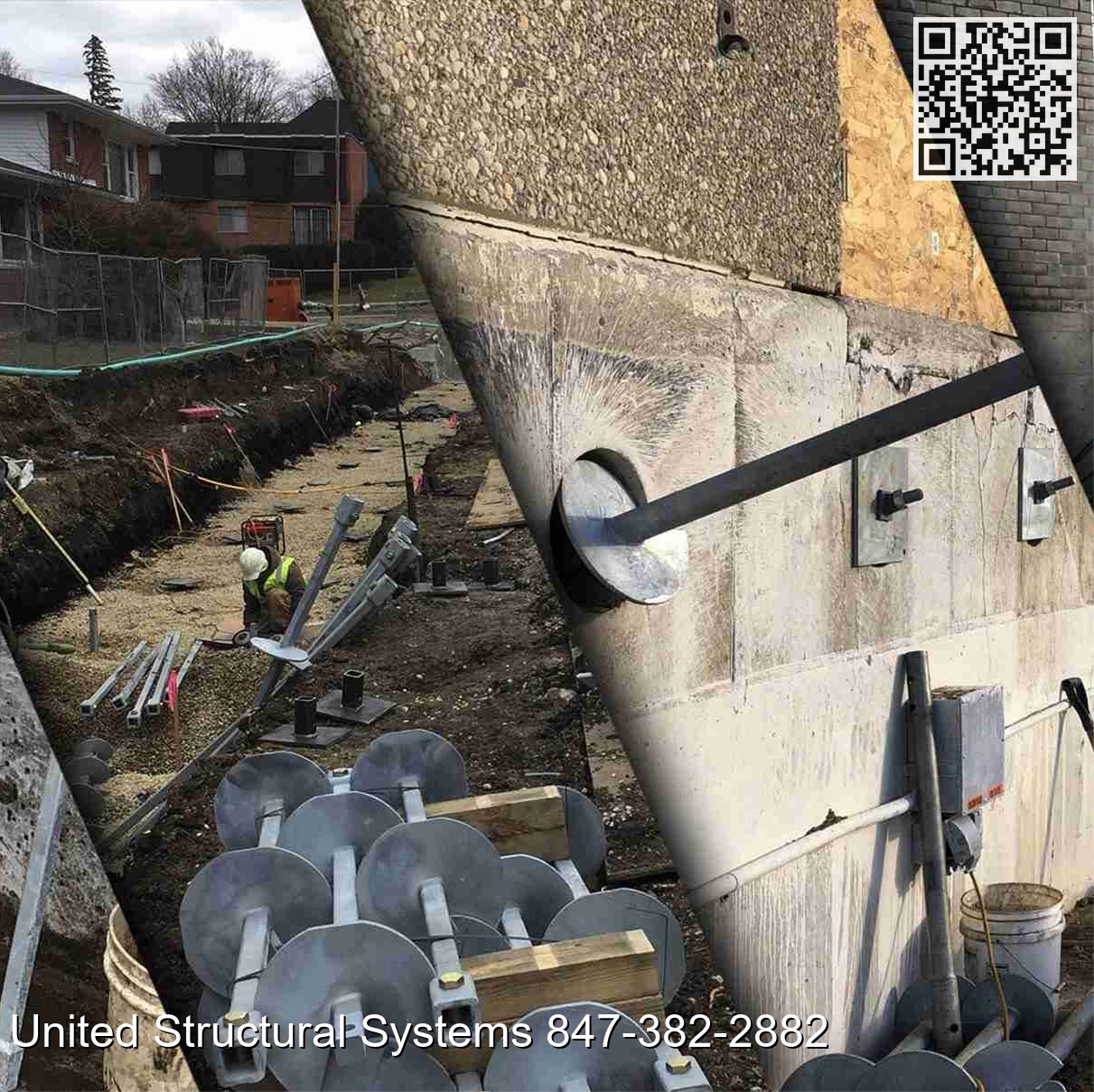
Fuel as well as sky supply need to have winterization. Usage winter-grade diesel, manage for gelling, and drain moisture from sky series. Icy condensate in a downhole hammer will spoil your early morning. Pipes that move along with the mast needs to be sleeved to prevent breaking, and also fast connects ought to be actually checked daily. Motes, however small things are what hinder a cold-weather shift.
Adjusting installation methods in frozen ground
A helical pile earns its own capacity from helix bearing in competent strata and also, to a smaller level, shaft friction. Icy crusts add a frictional layer that performs certainly not matter lasting. I target to infiltrate the frost rapidly and also precisely, then reduce and enjoy torque in the style coatings. If you chase torque in the shell, you get rid of time and wear air travels for records that carries out not pay for the bills.
Pilot holes with the frost are actually not the opponent. A 2 to 3 inch aviator to a few ins listed below the frosted area carries out not minimize ability at design depth. Actually, it gives a much more truthful torque-to-capacity relationship given that it removes the inaccurate higher at the top. For commercial helical tieback anchor installation by means of a freeze wall surface or frozen backfill, predrilling an aviator saves the tieback strand from knife-like ice lens that can easily destroy sheath or galvanizing.
Rotation rate concerns in cold. I favor lower revoltions per minute for better dirt engagement in the bearing layer, yet are going to step up rpm slightly in the frosted limit to minimize chatter as well as maintain the stack upright. Operators must anticipate a quick loss of torque when the top helix breaks out of the crusting right into warmer soil, then a steady rise. If you find a second unforeseen torque spike at mid-depth in winter months, carry out certainly not presume it is actually a boulder. Look for refrozen perched water lens. They feel similar however break suddenly the moment warmed by friction. If production stalls at that lense, you can easily pause and also vapor a little relief opening beside the heap pipe to relieve the ice bond.
For commercial resistance pile installation, steering by means of a frosted crusting commonly enhances impact matters that kick back to regular below. If you capture refusal at the shell for an established lot of strikes every in, you run the risk of underdriving the stack. Always keep the approval criteria keyed to the intended bearing coating, not the surface. I have actually used lightweight predrilling for resistance piles too, stringently with the freeze. It is actually certainly not cheating. It is actually getting rid of noise.
Micropiles need to have special treatment at the bond zone. The steel lugs load to the connect span, and also wintertime would like to steal that connection with set apart cement or even ice-lubricated annuli. Warm and comfortable solitary confinement before grouting if groundwater is near cold. Spread warm and comfortable water prior to the tremie. Aim for grout temperature levels near the higher end of the spec envelope, at that point protect the dog collar. If you are tension grouting, make up chillier pipe wall surfaces as well as pump friction. Your gauge might present target stress, however cold, dense cement may cause an evident pressure growth that performs certainly not translate to move. Validate real intake through checking profits as well as set mass balance, certainly not only pressure.
QA/ QC that recognizes winter season realities
Quality management in the cold is part determination, component technique. On helical piles, twist records require comments that describe the freeze region as well as the procedure made use of to survive it. If you predrilled, document diameter and intensity. Inspectors value integrity more than creative curves. On commercial helical pile installation I additionally like to run at minimum one proof lots examination early in a winter months period, ideally on a stack with depictive twist at style depth. It supports the torque correlation and gives confidence when the top-of-hole ailments are actually misleading.
On the exam edge, cold changes hydraulics and also machinery. Tons cells and assesses read fine in the chilly, yet tubes in between all of them can easily get strong, which incorporates rubbing and also hysteresis. I specify the exam framework in the warmest component of the day when feasible, shield the create with tarps, as well as keep determines inside a warmed container along with viewpoint home windows. For tieback anchors, evidence and also functionality screening can easily take a lot longer as cement treatments little by little. If the specification allows, routine screening two days beyond standard or even validate cube breaks prior to testing. No one would like to discuss a false failure given that grout was at 35 F overnight.
Concrete and also masonry adjacent to your work have their own winter restrictions. If your deep foundation repair sits under a slab that will definitely be actually gathered wintertime, correlative healing opportunities as well as heaters. Foundation crack repair in winter demands completely dry, warm substratum to connection epoxies properly. The sequence issues: appearance stacks or even tieback anchors, at that point cozy and completely dry, after that crack injection, after that floor put. The GC will definitely give thanks to you.
Safety and also team administration when it is actually bitter cold
Crew efficiency falls when problems are actually awful, and the job comes to be dangerous when palms go reduce. I set up a warm and comfortable trailer near the job skin and also press much shorter turnings: 40 moments on, 20 mins off in harsh cold weather. Operators require suitable handwear covers that still permit experience on the controls. Evening function in winter exacerbates exhaustion. If the job requires it, flooding the work area along with lighting, as well as give a crystal clear course from trailers to rigs to steer clear of trips black ice. De-ice paths at the beginning and midway through the shift.
Heat resources need to have air flow. Diesel-powered heating units placed under a tarpaulin for grout or even pump protection should have a dedicated fresh-air void. Carbon monoxide gathers where you least anticipate it, and also monitors are actually cheap. Always keep fire extinguishers near heaters as well as fuel, as well as establishment acetylene and also oxygen where they will certainly certainly not freeze regulatory authorities sound. I have seen much more delays from an icy regulatory authority than any other singular tool in winter.
Case job: 3 popular winter scenarios
A retail pad over deep fill. The dirts were soft sand with a high water table. The freeze went 18 inches deep during the course of a January cold snap. Our company possessed 150 helical piles on a tight routine. The service was to predrill a 3 in pilot through the frost for each area with a sunny rig at dawn, then follow with the main drive head. Twist logs presented a tidy shift in to consistent sands below 6 feet, and the way setup twist at layout intensity matched the summer test plan. Manufacturing attacked 20 to 25 piles every day with a three-person workers due to the fact that our company quit dealing with the shell and focused on genuine embedment.
An existing warehouse along with slab settlement near dock doors, arranged for structural foundation repair with resistance piles. The frozen crusting overstated strike adds up near the slab edge. We set up a regulation: disregard refusal within the very first feet if it accompanied the freeze level, and also maintain driving to get to the intended bearing stratum. Where draft adds up kept higher beyond that depth, our team withdrawed as well as utilized a small auger to eliminate the crust prior to returning to. Approval logs annotated the predrill depths, and the engineer accepted the approach after a site demonstration. The fixed anchors saw consistent airlift throughout jacking since the heaps were settled appropriately, certainly not hanging in the crust.
Micropiles for a health center expansion under wintertime protection. Specs required orderly cement over 50 https://www.unitedstructuralsystems.com/ F. Our team constructed a little heated outdoor tents around the pump as well as mixer, heated water to 90 F, as well as stored cement indoors through the night. Cement surfaced right into 36 F ground, so our company hemorrhaged a tiny quantity up until ejection maintained at 60 F, at that point committed to the tremie. Circulation gauges and also set mass balance validated genuine consumption, certainly not just pressure. Bond exams handed down the very first try out even with the chilly, and anchors for the neighboring industrial helical tieback installation were actually sequenced along with similar grout controls.
Special problems for helical tieback anchors in icy backfill
Tiebacks commonly run along structure perimeters where backfill is actually disturbed and also holds water. In wintertime, that region may ice up hard. Boring makes it much worse if you asperse frozen fines along solitary confinement wall, which prevents grout connection. I prefer to drill along with marginal water and maintain the birthed tidy along with air where allowed, at that point heat the hole with a brief heavy steam lance if ice programs. For long-lasting helical tieback anchors, priming may be scratched through frozen additions near the skin. Slow down the beginning, secure the threads, and also stay clear of levering the extension versus an icy wall.
Testing tiebacks calls for crystal clear requirements as well as perseverance. Proof tons are going to move less initially in the cool since the device is stiff, after that might slip slightly even more as the anchor warms towards stability. Track variation very carefully and also carry out not rush to discharge. If the specification gives a creep criterion over 10 mins, I push for 15 in the cold. For temporary tiebacks on shoring, coordinate de-icing around the waler so ice does not equate to incorrect displacement readings.
Dealing with energies and surface area drainage
Winter subjects every poor water drainage choice. Reduction snow near electrical generator tires creates a small waterway that will definitely refreeze across your job area by lunch time. Before propelling, reduce shallow swales to assist meltwater off of rigs, electric cables, and pile scalps. Keep power situates current. Frozen ground draws staffs to tear with bars as well as choices, which is actually specifically how fiber lines obtain cut. For tieback anchors, thermic tightening can easily make utility standoffs believe tighter than they are actually. Measure offsets two times as well as stay conservative.
If you neighbor online vapor lines, salt storage, or even de-icing operations, account for chemical substance impacts. Chlorides can easily speed up corrosion on arid steel extras or even damage epoxy finishes used in foundation crack repair. Retail store consumables inside your home and also keep crystal clear covers on any type of subjected ligament scalps or couplers.
When to hold off and also when to press through
Some times you press, others you park it. I prepared 3 move or even no-go triggers beyond uncooked temperature.
- Wind plus temp that drives wind coldness below adverse 10 F for much more than 2 hours. Equipment is actually the main thing, fingers are actually another. Heavy freezing rain. The rig ends up being a skating ring, as well as electric risks multiply. Insufficient heating system for grout or even gas devices. If you can easily not preserve grout temperature level within spec or even can not bring the pump up to constant pressure, you are losing time and inviting rework.
On the other side, bright cold days along with mild wind could be efficient if the program is actually tight. Focus on piles that carry out certainly not require strong digging or comprehensive hand job. If you need to dig deep into, utilize protected blankets to always keep the trough walls coming from glazing over, and also backfill swiftly to stay away from leaving behind a freeze-prone void around the new heap cap.
Integration along with more comprehensive structure work
Cold-weather loading hardly stands alone. It ties into commercial foundation repair scopes that include underpinning, foundation crack repair, as well as slab substitute. Helical piles under existing footings require dependable bearing at depth as well as a practical bunch transfer information on top. In the cold, grout-filled stack caps heal slower, so our experts incorporate heat energy blankets and also temperature level sensing units to affirm they get to acceptable durability before hoisting or loading. Where micropiles dead heat into a quality beam, shield the formwork as well as deal with heat energy so differential curing does not fracture the beam at reentrant corners.
Communication with the building designer matters. If you revise installation strategies along with predrilling through frost or even heating system cement, document it. If torque-to-capacity elements were built coming from summer months testing, look at functioning a winter proof exam to confirm that style presumptions still hold in the field. On bigger commercial helical pile installation systems, I have used a set of propitiatory test piles to bracket development: one put up in a place along with very little freeze, one mounted in a frost-heavy section, each lots evaluated to confirm capability about torque. The records permit everyone breathe easier as well as always kept the examiner relaxed with allowing torque worths that looked weird near the top.
Practical check-list for site leads
- Confirm frost deepness daily at various factors. Record as well as show the staff so they know what the leading will think that and when to count on torque changes. Stage warmth: one collection for individuals, one for cement and hydraulics. Manage them as different units with separate electrical power and fuel. Calibrate or even confirm torque and pressure tools after the very first deeper freeze. Replay if analyses drift or even if devices sits unoccupied for much more than a week. Decide on predrilling tactic just before the time starts. Furnish and also team for it so you do not improvisate under pressure. Close the loophole along with the inspector. Elucidate logs, flag freeze results, and also suggest sensible approval criteria concentrated on design-bearing layers.
Final industry notes
Cold is not a justification for underprivileged records or even feeble functionality. It simply changes the inputs. A well-run winter campaign on helical piles, resistance piles, micropiles, or tieback anchors looks intentional. The team gets here with a plan for freeze, the tools begins warm, the logs make good sense, as well as grout temps stay in array. You still elevate quelled grounds precisely, still deliver commercial foundation stabilization that passes analysis, as well as still keep the routine from drifting when the thermometer dips. The job requests patience and also appreciation for natural sciences, nothing even more amazing than that.
If you come close to wintertime setup keeping that perspective, the time may be steady and predictable. Customers notice when you do certainly not flinch at the forecast. Therefore do your teams. As well as your stacks will definitely tell the story months eventually when the snow is actually gone and the building lots birth the technique they were actually developed to.
 Ask ChatGPT
 Ask Grok
 Ask Perplexity
 Ask Claude
 Ask Google AI
 Ask You